
Repair Bad Credit Yourself: Learn Your Reports, Rights, and Next Steps
If you want to repair bad credit but don’t know where to begin, you’re in the right place to learn. Repair Bad Credit is a free educational website that teaches you how to understand your credit reports, investigate possible errors, handle collection notices, and use your consumer rights on your own.
We don’t repair credit for anyone, review individual files, or promise results. We explain the process so you can take the next step yourself, without signing up or sharing personal information.
Where Do I Start to Repair Bad Credit on My Own?
For most people, the best first step is looking at what’s actually in their credit reports. You can check your reports from Equifax, Experian, and TransUnion free every week at AnnualCreditReport.com, the official site. You don’t need a paid subscription to see them.
Some situations come first, though. If you’ve received court papers, suspect identity theft, or have a letter with a stated deadline, deal with that before anything else. Our identity theft recovery guide explains the first steps, and our Start Here page helps you pick the right topic for your situation.
A Self-Help Path in Four Steps
Repairing bad credit yourself is less about tricks and more about understanding what’s on your reports and using the right process for each problem.
- Get and read your reports. Learn what each section means and how a report differs from a score. Our practical guide to working on your credit yourself walks through the basics.
- Sort what you find. Separate what you can verify, what looks wrong, and what’s accurate but unwelcome. Only information you believe is inaccurate or incomplete is worth disputing. Our Disputes & Errors guide explains what counts as an error.
- Use the right process for the right problem. A credit-report dispute, a credit-card billing dispute, a debt-validation request, and an identity-theft report are different processes. Our Debt & Collections guide explains how collection questions differ from reporting disputes.
- Keep records and know when to get help. Save copies of what you send and receive. For legal questions, court papers, or complex debt problems, a consumer-law attorney, a nonprofit credit counselor, or a government agency may be the right next resource.
Results vary. Correcting genuine errors can change a report, but accurate negative information can generally stay on it for a set period, and no process can guarantee a particular score.
Choose a Topic
Credit Reports
Learn how to get your free reports, read each section, check for mistakes, and understand the difference between a credit report and a credit score. A good starting point if you haven’t looked at your reports recently.
Disputes & Errors
Learn how to tell an unfamiliar entry from a real error, what to gather before you dispute, how to submit a dispute yourself, and what can happen after a reporting company investigates.
Debt & Collections
Learn how to read a collection notice, figure out who’s contacting you, understand debt validation, and recognize why court papers need their own response.
Consumer Rights
Learn which federal laws cover credit reports, billing errors, lending decisions, debt collection, and identity theft, and what each one can and can’t do for you.
Avoid Credit-Repair Scams
Learn the warning signs of misleading credit-repair offers, from upfront fees to promises of a “new credit identity,” and where to report a company that misleads you.
Guides & Articles
Browse shorter articles that answer specific questions, such as whether a loan can be canceled within three days or whether credit-reporting law can erase a debt.
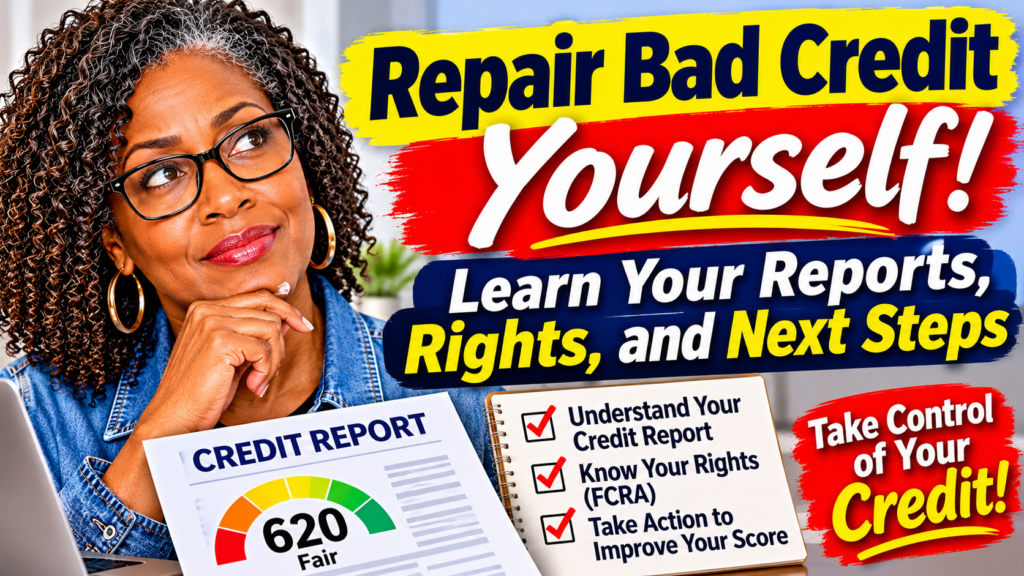
Credit Repair Claims: What to Know Before You Pay Anyone
Many of the steps credit repair companies offer, such as getting your reports and disputing errors, you can do yourself for free. Some paid services are legitimate and may save time if you have several genuine errors and would rather not handle the paperwork.
Certain practices are red flags, though. Be cautious of any company that asks for payment before it has done any work, guarantees a higher score, promises to remove accurate information, or tells you not to contact the credit reporting companies yourself. Georgia also restricts paid credit repair more than federal law does.
Read Is Credit Repair Legal? Federal Rules and Georgia Restrictions for the rules companies must follow, and our credit-repair scams guide for warning signs.
Know Your Consumer Rights
A handful of federal laws protect you when it comes to credit. In plain English:
- Fair Credit Reporting Act: covers what goes on your credit report, who can see it, and your right to dispute inaccurate information. See your FCRA rights and notices.
- Fair Credit Billing Act: sets a formal process for disputing billing errors on credit cards and other revolving accounts.
- Fair Debt Collection Practices Act: limits how third-party debt collectors can contact and treat you.
- Equal Credit Opportunity Act: prohibits lenders from discriminating against applicants on certain protected grounds. See our Equal Credit Opportunity Act guide.
Popular Guides
- How to Work on Your Credit Yourself: A Practical Starting Guide
- Does the Fair Credit Reporting Act Eliminate Debt?
- Can You Cancel a Loan Within Three Days? Understand the Limits
About Repair Bad Credit
Repair Bad Credit is an educational website published by Gerald Harris. Gerald has worked in Georgia real estate for more than 15 years as a licensed agent and investor. He isn’t a credit counselor, attorney, or financial adviser, and the site doesn’t offer professional credit, legal, or financial advice.
The site’s name reflects what many readers want to do. It isn’t a promise of results. We publish guides and links to official resources; we don’t submit disputes, contact creditors, negotiate debts, or review individual credit files. [EDITOR: Add links to the About page and the Editorial Policy & Corrections page once both are published]
Georgia and Atlanta Resources
Federal credit rights are the same in Atlanta as anywhere else in the country. Georgia adds its own consumer protections, including restrictions on paid credit repair, and the Georgia Attorney General’s Consumer Protection Division offers consumer guidance and accepts complaints. Several of our guides include Georgia-specific resources alongside national information.
Frequently Asked Questions
Can I repair bad credit myself?
Yes, in the sense that you can do the core steps yourself: get your reports, dispute information you believe is inaccurate, and build better habits over time. You can’t remove accurate negative information, and results vary from person to person.
Does Repair Bad Credit fix my credit for me?
No. We’re an educational website. We don’t repair credit, submit disputes, negotiate debts, or offer evaluations or consultations.
Where should I start if I don’t understand my credit report?
Get your free reports from AnnualCreditReport.com, then read our Credit Reports guide, which explains each section in plain English.
Should I dispute every negative item?
No. Disputes are for information you believe is inaccurate or incomplete. Correct negative information isn’t an error, and disputing it generally won’t remove it.
Do I have to pay to get my credit reports or learn my rights?
No. Your reports are free through AnnualCreditReport.com, disputing errors is free, and government agencies such as the Consumer Financial Protection Bureau and the Federal Trade Commission publish free consumer guidance.
What if my concern is a collection notice or court papers?
Start with that. Read the notice carefully and note any deadline. If you’ve received court papers, respond by the deadline in the papers, yourself or through a lawyer; reading this site doesn’t pause any deadline.
Choose Your Starting Point
Choose the question that fits your situation and start with one guide. You can come back for other topics whenever you need them.
Getting started is easy
Fill out the quick form and we’ll get back to you with clear next steps and resources to help repair bad credit.
"*" indicates required fields
No obligation. Just an honest answer from Repair Bad Credit. Prefer to talk? Call (404) 913-7086.